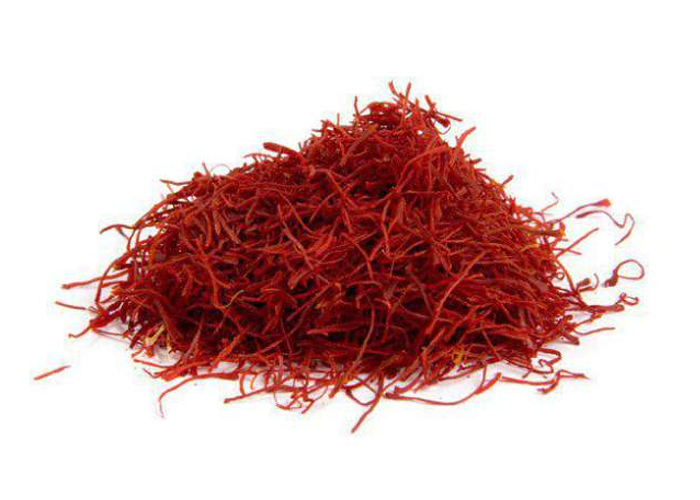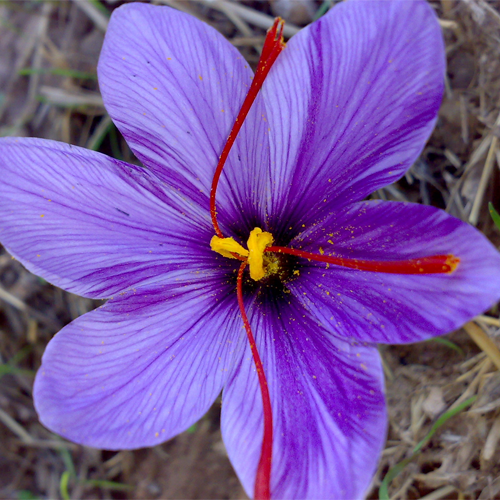
Saffron is a plant. The dried stigmas (thread-like parts of the flower) are used to make saffron spice. It can take 75,000 saffron blossoms to produce a single pound of saffron spice. Saffron is largely cultivated and harvested by hand. Due to the amount of labor involved in harvesting, saffron is considered one of the world's most expensive spices. The stigmas are also used to make medicine.
Saffron is used for asthma, cough, whooping cough (pertussis), and to loosen phlegm (as an expectorant). It is also used for sleep problems (insomnia), cancer, “hardening of the arteries” (atherosclerosis), intestinal gas (flatulence), depression, Alzheimer’s disease, fright, shock, spitting up blood (hemoptysis), pain, heartburn, and dry skin.
Women use saffron for menstrual cramps and premenstrual syndrome (PMS). Men use it to prevent early orgasm (premature ejaculation) and infertility.
Saffron is also used for to increase interest in sex (as an aphrodisiac) and to induce sweating.
Some people apply saffron directly to the scalp for baldness (alopecia).
In foods, saffron is used as a spice, yellow food coloring, and as a flavoring agent.
In manufacturing, saffron extracts are used as fragrance in perfumes and as a dye for cloth.
Saffron
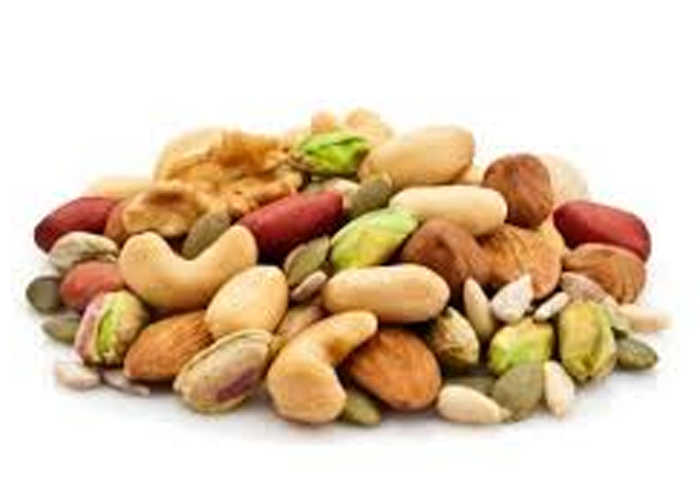
More and more health benefits have emerged recently linking nut consumption to a decreased risk of chronic disease. A recent study in the Journal of the American College of Cardiology, for example, showed that a higher intake of some of the healthiest nuts was associated with a lower risk of coronary heart disease.Other studies have also turned up impressive results, showing that eating more nuts could even protect against cancer.Take a look at any nutritional value of nuts chart, and it’s easy to see why they’re so healthy. They’re high in fiber and protein plus loaded with heart-healthy fats.
Benefits of Healthy Nuts
Nuts
Like other plant foods, nuts provide a range of nutrients, including large quantities of healthy monounsaturated and polyunsaturated fats (49–74% total fat), and moderate amounts of protein (9–20%) (except chestnuts which are low fat).
Nuts are also a good source of dietary fibre and provide a wide range of essential nutrients, including several B group vitamins (including folate), vitamin E, minerals such as calcium, iron, zinc, potassium and magnesium, antioxidant minerals (selenium, manganese and copper), plus other phytochemicals such as antioxidant compounds (flavonoids and resveratrol) and plant sterols.
The 2013 Australian Dietary Guidelines include nuts in the same food group as meat, fish, poultry, eggs and legumes, due to their protein content. A daily serving of 30g is recommended, but an additional 10g of nuts a day can be used in place of other healthy fat foods as well.
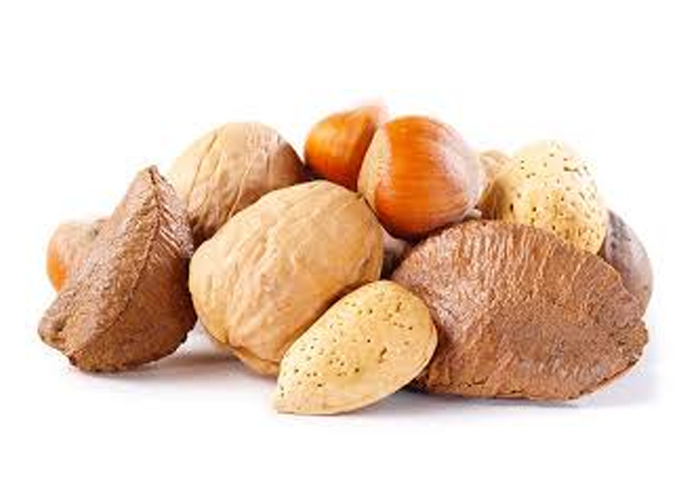
Each nut variety contains its own unique combination of nutrients and is generally rich in a few nutrients such as:
Almonds: protein, calcium and vitamin E
Brazil nuts: fibre and selenium: just two brazil nuts a day provides 100% RDI for selenium for an adult
Cashews: non haem (plant based) iron and a low GI rating
Chestnuts: low GI, fibre and vitamin C (although much vitamin C is lost during cooking)
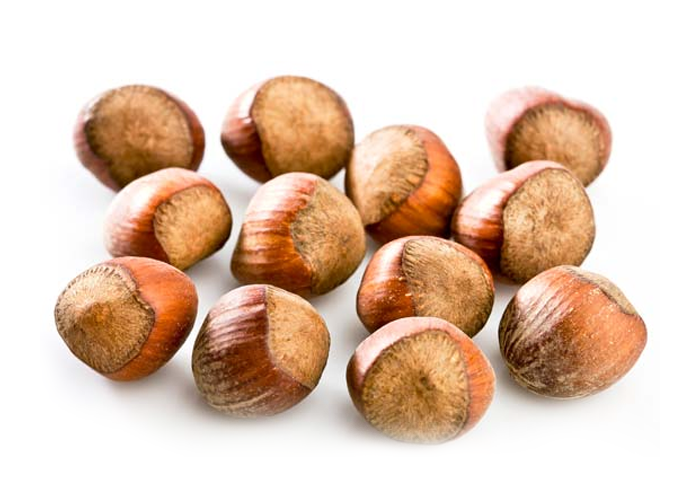
Hazelnuts: fibre, potassium, folate, vitamin E
Macadamias: highest in monounsaturated fats, thiamin and manganese
Pecans: fibre and antioxidants
Pine nuts: vitamin E and the arginine amino acid
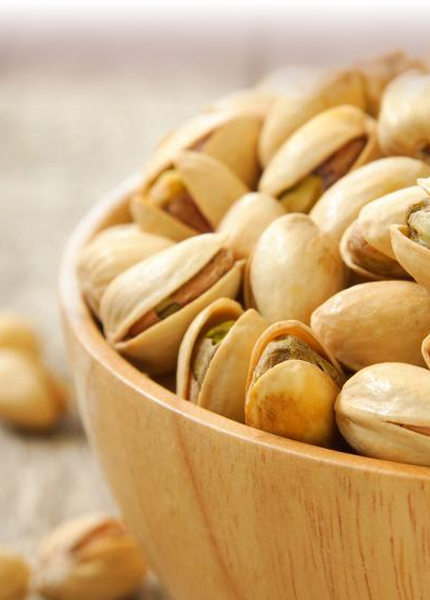
Pistachios: protein, potassium, plant sterols and the antioxidant resveratrol
Walnuts: alpha linoleic acid: plant omega 3 and antioxidants
Nuts are naturally low in sodium, contain potassium and most contain some carbohydrate in the form of natural sugars. Chestnuts are different they are rich in low glycemic index carbohydrates and low in fat making them more like a grain than a tree nut.
What nutrients do nuts provide
nuts